This devlog was first posted on itch.io.
After a good 72 hours of development followed by a day of rating other entries and resting, I was finally in the mood to write something down, a stream-of-consciousness dev log, if nothing else.
At half past six in the morning, I was woken up by a noise, leapt out of bed, and refreshed the page to check the theme: old tech. Okay, time to go back to bed. Tbh, I’m not that impressed by this theme. It practically suggests a retro game genre or atmosphere, territory that indie games have been enthusiastic about for years, making it all too easy to land on well-worn sub-genres: browser-window sims (e.g. Hypnospace Outlaw), workplace sims (e.g. Papers, Please), programming sims (I miss Zachtronics), or Game Boy / Game & Watch style throwbacks. It does somewhat ease the development burden, as developers can lean into the retro vibes and their constraints, turning limited visuals and audio into a stylistic choice rather than a shortcoming. But the theme’s very ubiquity makes brainstorming considerably harder, because I didn’t want to overlap too heavily with excellent games I already knew.
Still, I understand why the theme won out. In an era where technology and society shift too fast, people can’t help but feel nostalgia as a kind of defence mechanism. Anything old, mechanical yet comprehensible, complicated yet manually operated, things that paradoxically give you pleasure because of the effort they demand, like film cameras (even if you never lived through the age of film), carries a familiar, surplus charm. And so people keep fantasising that by possessing or operating such objects and technologies, they can rediscover creativity in the act of labour, as though they might thereby regain a grip on their own lives. Nostalgia, the longing for a home or a warmth that no longer exists or never existed, this seemingly classical, romantic sentiment is born of modern anxiety, or rather, of an anxious modernity.
In a word, retro as a complex itself is too common and familiar to people. With that thought in mind, I went back to sleep for a few more hours, trying to talk myself out of disliking the theme. In the instant before I drifted off, I felt a sensation of falling and was suddenly struck by an image: someone who accidentally slips through a rift in time, but instead of changing history and stuff, they use this mechanism to hawk second-hand goods across past, present, and future (ofc, things we take for granted today will themselves become old tech to people of the future), peddling so-called second-hand nostalgia in an ironic pose. This idea was gradually reshaped through rounds of self-reflection and discussion with my teammates into something else: to exchange items across different eras, collect unique and bizarre old technology objects, and let them collide with the stories of people from different ages, triggering a kind of dramatic reaction. We drew enormous inspiration from the book Extinct: A Compendium of Obsolete Objects, and among its entries we found the pneumatic post. We immediately decided that the “vintage second-hand shop” could be replaced with a “pneumatic post office”, aligning both the gameplay vehicle and the narrative content more closely with the old tech theme. It not only opens up space for gameplay design but also carry a potent retro charge of its own.
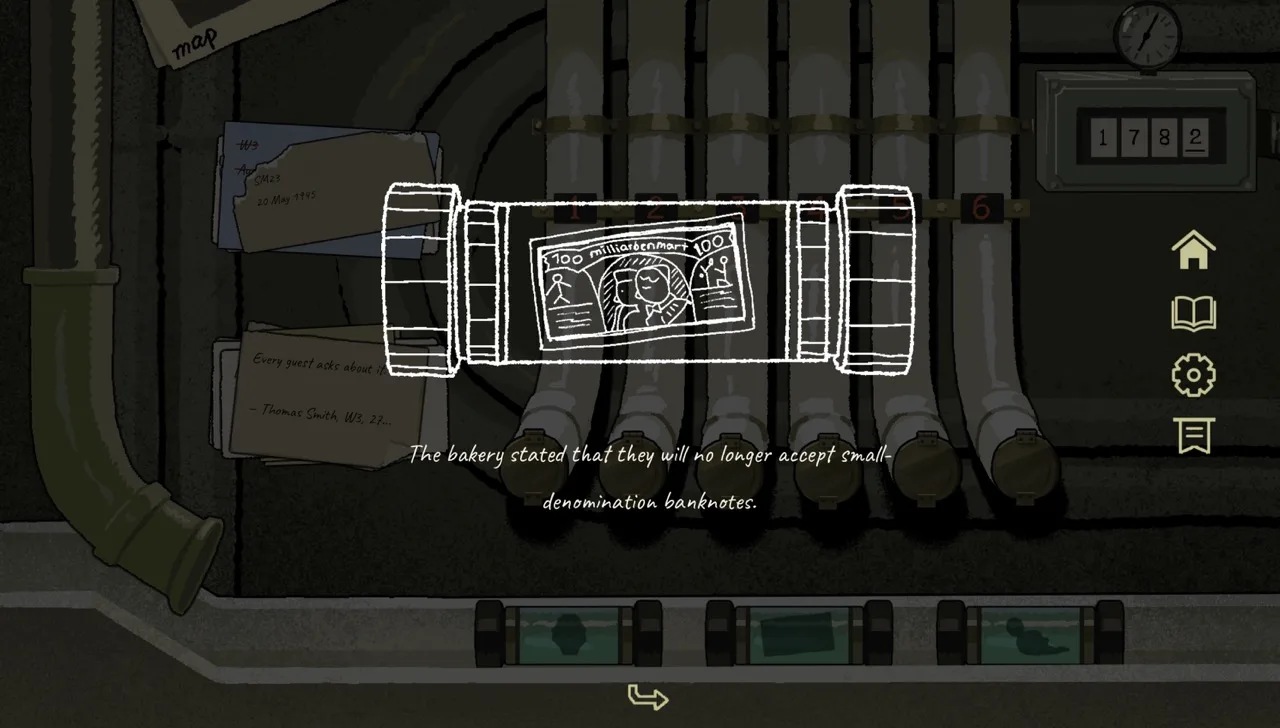
Must nostalgia always look backwards? Intersecting with nostalgia’s retrospective gaze is, in fact, the forward-looking imagination of people from the past, with their visions of and yearnings toward the future. Things that are ordinary or retro to us now might have been thrilling high tech to people a hundred or two hundred years ago, or even a miracle. After all, our current technology grew from past imaginings. So although the “time machine” in our game is not itself old tech, we still placed it at the heart of the game’s core loop. With it, and with an in-game pneumatic tube network that reaches different cities (whose name hidden beneath the zip code), we tried to break down the very distinctions that nostalgia as a concept draws between time and space, subject and object. When you can pick up an object, examine it alongside the description left by its previous owner, and send it off to change someone else’s life, what drives you to keep playing is no longer nostalgia itself, but the pleasure of reading other people’s stories, and the affirmation of your own agency.
How should the game end? Nostalgia is a daydream and an enclave you build for yourself; old tech is merely one of its vehicles. The leisurely nap and the pipe dream come to an end - no matter what, you still have to face how to live in the present. Your impulse will draw you back, again and again, to the retro, to repeat what cannot be repeated, to tirelessly experience yet more possibilities, to collect more obsolete objects. Or perhaps, in a single moment, you finally resolve to leave, to seal the experience of a minute ago inside a capsule you will never reopen, and to face whatever comes next in a life whose direction you can’t yet see.
Of course, you know that this is a fictitious choice.
本文最初发布于 itch.io,这里是中文草稿。
在紧张的72小时开发与一天时间的评价其他游戏与休息后,我终于有了动笔写点什么的想法,例如一篇流水账式的开发日志。
早上六点半,我被噪音吵醒,从床上飞跃起身刷新网页查看这次的主题:old tech。实话来说,我立刻认为这是一个相当平庸的主题:它暗示着复古的游戏类型或者氛围,而这本来就是独立游戏早已热衷多年的,因此很容易引人联想到各式各样已经落入窠臼的子游戏类型,例如浏览器网页(我特别喜欢Hypnospace Outlaw),工作模拟(例如papers, please),或者gameboy/game & watch风格的游戏。诚然,这多少减轻了开发的难度,因为开发者可以更多利用复古的主题和限制,让有限的画面和音乐成为一种风格而非缺陷,但主题的滥觞无疑为brainstorm增加了不少难度,因为我不想和那些我所知的优秀游戏过多撞车。
不过我理解这个主题为什么能脱颖而出——在技术发展和社会变化过于快速的今天,人们很容易不由自主地作为一种防御机制感受到怀旧之情,所有古老、机械但你可以理解的、复杂、手动但反而给你乐趣的事物,例如胶片相机(即使你从未亲身经历过胶卷时代),都给人一种熟悉而额外的魅力。于是人们总是幻想能够通过拥有或操作这样的事物或者技术来重新在劳作中体验创造力的诞生,好像能借以重新把握住自己的生活。怀旧,向往某个不再存在或者从未存在过的家园或温情,这样看似古典、浪漫 的情感,本质上脱胎于现代性的焦虑,或者焦虑的现代性。
总之,复古作为一种情结本身已经对人们来说太过常见和熟悉。怀着这样的心情,我继续睡了几个小时,一边在脑海中说服自己不要嫌弃这个主题。在入睡的瞬间,我感受到一种下坠感,突然想到一个场景:一个人意外在裂隙中穿越时空,不过ta并不去改变历史,而是利用这个机制在过去、现在和未来之间倒卖一些二手货品(现在我们熟悉的事物对于未来的人来说也将是一种old tech),以一种讽刺的姿态贩卖所谓的二手情怀。这个脱胎于回笼觉的思路最终在自己的一次次反思和队友的讨论下,转而变为:以以物易物的方式进行跨越年代的交换,收集那些独特甚至诡异的old tech物品并且让他们和不同年代的人的故事相遇,以触发某种戏剧的反应。我们在旧物录(Extinct: A Compendium of Obsolete Objects)这本书中获得了大量灵感,并且在里面看到了作为旧物之一的气动邮局。我立刻决定“旧货二手店”的设定可以被替换为“气动邮局”,让游戏的操作载体与叙事内容都更加贴合old tech的主题,本身的操作不仅给游戏性的设计带来空间,本身也有强烈的复古感。
怀旧是否一定意味着是和过去有关?与怀旧的回顾之目光交错的,其实是过往人们对未来的幻想与眺望。对现在的我们来说稀松平常的事物或者复古之物,对一百年前、两百年前的人来说可能是惊喜的高新科技,甚至于不可理喻的神迹。我们现在的科技其实也来自于过往的幻想,和把幻想一点点变为现实的发明家与实践者。因此,尽管跨时空的技术本身并非old tech,我依旧将其包含在游戏的核心流程中。借助它和一个在游戏内无所不及的管道系统,我们试图打破怀旧作为概念本身对时间与空间、主体与客体的区分。当你可以动手拿起端详某件物品和来自物品前任主人的描述,并且将其寄出来改变其他人的生活时,激励人继续游戏的不再是怀旧感,而是阅读他人故事的有趣,和自身主体性的昭显。
那么,游戏要怎么结束呢?怀旧是一块自己给自己构建的白日梦与飞地,old tech只不过是其中一种载体。悠闲的回笼觉与白日梦结束,无论如何你都还要面对当下的生活。你的冲动会将你再次、一次次引向复古,去重复不可重复之物,去不厌其烦地经历其他更多的可能性,去收集更多的obsolete objects,又或者你终于在一瞬间下定决心离开,把一分钟前的经历封存在不会再打开的胶囊中,去面对下一步不知如何的生活。
你当然知道,这是一个虚构的选择。